
Care That Keeps Nature Thriving Indoors

Today we dive into caring for biophilic design elements—maintaining living walls, moss installations, and indoor gardens—with practical routines, design-minded strategies, and real stories from homes and workplaces. Expect guidance on watering, light, nutrition, and long-term beauty, inviting your questions and experiences along the way.

Understand Vertical Ecosystems Before You Hang a Panel

A living wall is more than plants on display; it is water movement, substrate aeration, root anchoring, and microbial communities cooperating in tight quarters. Study how capillary action distributes moisture, how roots seek oxygen, and how species interact. Deciding wisely now prevents clogged lines, root suffocation, and plant conflict later, turning maintenance into simple ritual rather than constant rescue.

Choose Species for Conditions You Can Sustain

Select plants that match your real light, humidity, and maintenance capacity, not just a wishlist. Shade-tolerant philodendrons and ferns reward dim corners, while herbs and compact ficus appreciate brighter exposures. Consider growth rates, leaf litter, and pruning tolerance. Honest alignment between environment and biology saves money, shrinks waste, and helps each planting mature gracefully rather than battle constant stress.

Establish a Predictable Rhythm From Day One

Create a schedule for inspections, watering checks, and wipe-downs before problems appear. Five minutes daily to observe leaf color, perky or droopy posture, and moisture levels often prevents hour-long interventions. Document what you see, photograph progress, and adjust gradually. Over time, this rhythm builds confidence, keeps surprises rare, and transforms care into a restorative ritual rather than a chore.

Water, Humidity, and Airflow: The Comfort Triad

Indoor ecosystems thrive where moisture, humidity, and air movement are balanced. Too much water suffocates roots; too little dries delicate edges. Moss appreciates consistent humidity with gentle airflow that discourages mold. By tuning irrigation, misting, and ventilation, you create a stable microclimate that supports steady growth, clean leaves, and the refreshing calm these green companions bring to busy rooms.

Dial In Irrigation for Living Walls Without Guesswork

Automated systems reduce labor but still require calibration. Start with brief cycles, then check substrate dampness at different heights, because upper modules often dry faster than lower ones. Track runoff clarity to spot nutrient buildup or biofilm. Resist the urge to overwater after leaf droop; confirm moisture first. Many panels perk up simply from improved oxygen around roots, not extra water.

Satisfy Moss With Gentle Humidity and Clean Surfaces

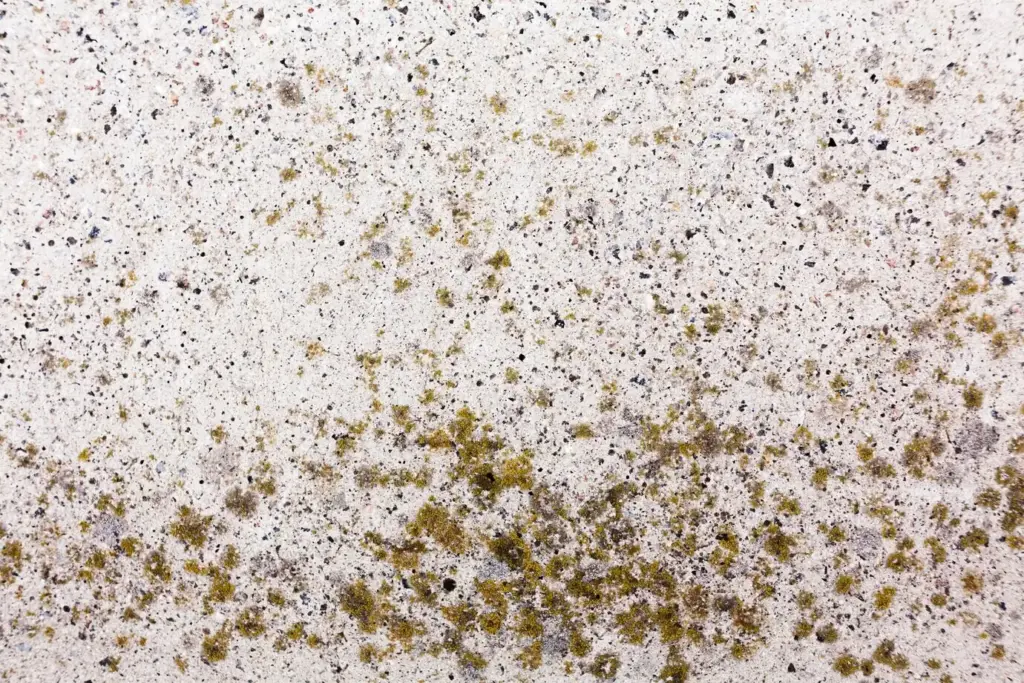
Live moss appreciates consistent humidity and clean, non-acidic surfaces. Avoid strong direct sun and drying drafts, favoring diffuse light and periodic misting. If you use preserved moss, never spray heavily; dust lightly and protect from saturation. For live patches, rinsing with filtered water prevents mineral stains. Maintain airflow that discourages mildew while keeping the microclimate soft, cool, and verdant.

Ventilate to Prevent Mold Without Desiccating Leaves

A small, quiet fan set to circulate air across, not directly at, foliage reduces fungal risk while preserving moisture. Position it to create gentle movement over the entire composition. Pair ventilation with smart spacing that avoids leaf crowding, because still pockets invite pathogens. Adjust seasonally as heating and cooling systems change indoor dryness, and keep intake filters dust-free for consistent performance.

Light That Plants Trust

Light is language for plants, shaping growth, color, and vigor. Indoor gardens succeed when light quantity, quality, and duration mirror what species expect. Map sun paths, measure with a PAR meter if possible, and choose fixtures that deliver consistent spectrums. Thoughtful placement limits leggy stems, preserves variegation, and keeps living walls cohesive rather than patchy mosaics of strained survivors.
Spend a day watching how sun and shade move. Photograph spaces at morning, mid-day, and late afternoon. Note hotspots where leaves could scorch and calmer zones ideal for shade lovers. Reflections from neighboring buildings can fool the eyes; tools like inexpensive light meters clarify reality. Once you understand the rhythm, your plant placements become logical, forgiving, and beautifully consistent.
Look for balanced full-spectrum fixtures with sufficient intensity across the canopy, not just bright centers. Consider dimmers and timers to avoid photoperiod shock. Mount lights close enough for effective PAR but far enough to prevent heat stress. Replace aging bulbs or recalibrate LEDs as output declines. When lights mimic sunrise-to-sunset rhythms, even seasoned houseplants respond with bushier, more confident growth.

Nutrition and Substrates Without Surprises

Feeding and rooting media determine whether maintenance feels calm or chaotic. Overfertilization creates salt stress; underfeeding starves new growth. Substrates must balance moisture, air, and structure, particularly on vertical planes. With simple monitoring, thoughtful blends, and periodic flushing, living walls, moss features, and container gardens stay vigorous, colorful, and resilient through seasonal shifts and occasional schedule slips.

Health Checks and Calm Troubleshooting

Most problems whisper before they shout. Short, frequent inspections of leaves, stems, roots, and hardware reveal early patterns: speckling that hints at pests, droop that suggests missed watering, or odd residue indicating mineral buildup. Calm, stepwise responses preserve beauty and confidence, preventing spirals where rushed fixes trigger new issues. Your attention is the most powerful tool you own.

Shaping Beauty Over Time

Maintenance is artistry expressed in small choices: a decisive snip, a gentle wipe, a refreshed planting that honors the original intention. By pruning thoughtfully, cleaning surfaces, and planning seasonal refreshes, you keep compositions vibrant. The result is a calm, living presence that complements architecture while reminding everyone that care and attention can quietly transform daily spaces.

Use Less, Achieve More: Efficiency That Feels Effortless

Capture runoff and reuse when appropriate, install leak detectors under reservoirs, and add timers that align water and light with plant uptake. Consider reflective surfaces to boost brightness at lower wattage. Choose long-life components to reduce replacement waste. Small efficiencies add up, preserving resources while improving reliability, so daily care becomes simpler, steadier, and far more satisfying for everyone involved.

Protect People, Pets, and the Planet

Favor non-toxic plant choices and avoid harsh chemicals. For curious pets or toddlers, elevate or shield delicate features and select sturdy species without irritating sap. Wear gloves when trimming sap-heavy plants. Ventilate during treatments, even gentle ones. By building safety into every step, you maintain trust at home or work and keep the calm, restorative presence of greenery available to all.
Mopirerakizanifanefa
Privacy Overview

This website uses cookies so that we can provide you with the best user experience possible. Cookie information is stored in your browser and performs functions such as recognising you when you return to our website and helping our team to understand which sections of the website you find most interesting and useful.